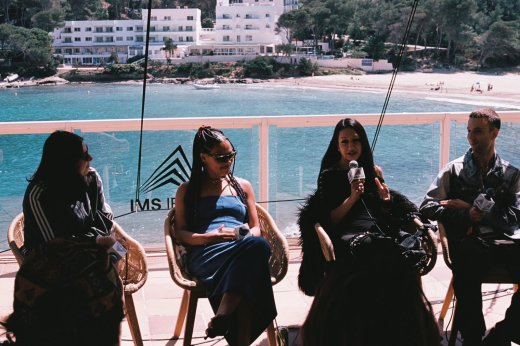
Black Rhino Radio heads to Morocco for an ECHO7000 x Burn Energy Tour night with Shanti Celeste and discovers there is more to it than just a party.
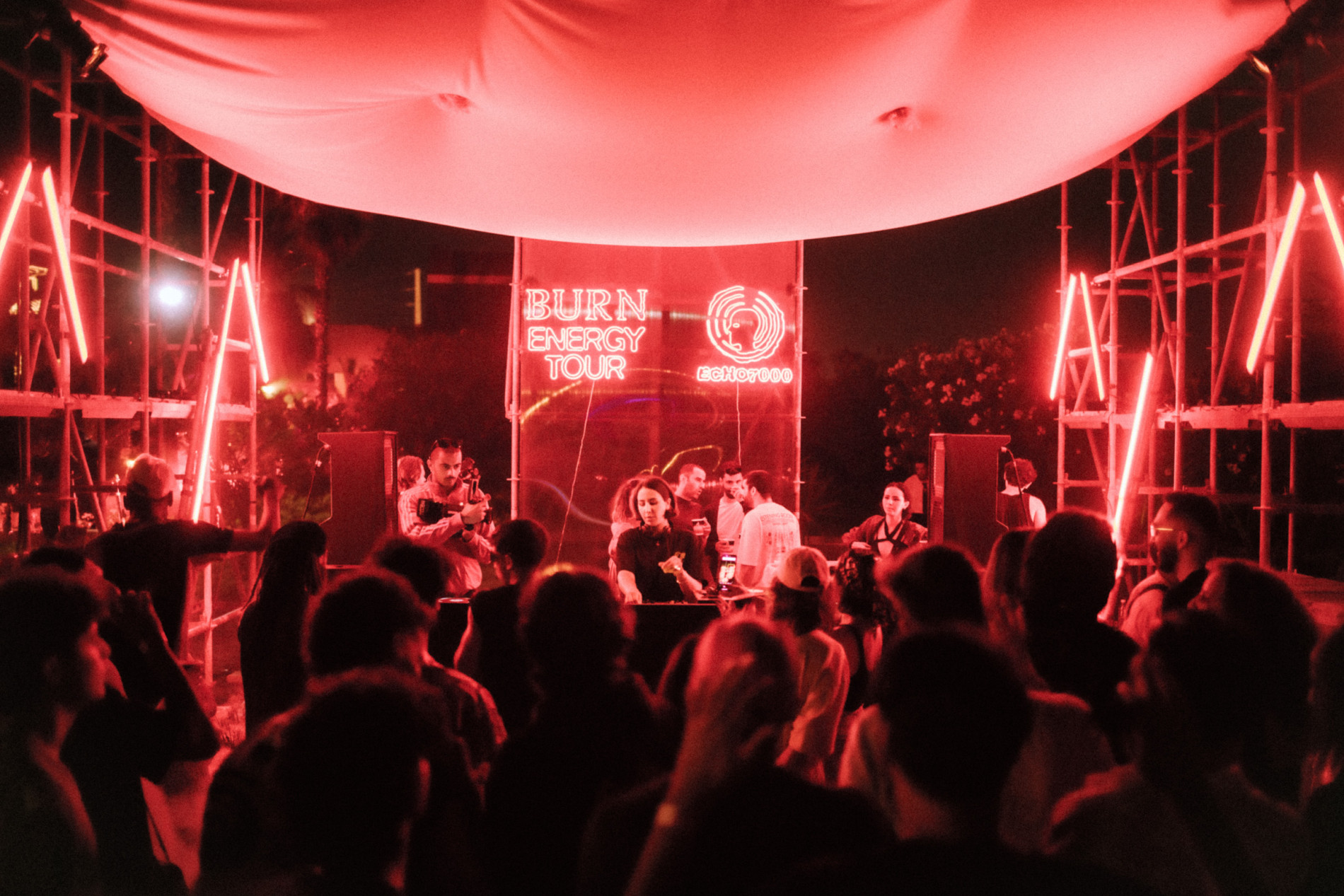
On the night of June 27, we went to the first instalment of the Burn Energy tour, in Marrakesh. The occasion was a party hosted by ECHO7000, a Moroccan underground collective known for bringing together several crews with a shared passion for building a vibrant local scene. Their ethos is rooted in collaboration and a desire to create something authentic for Morocco’s electronic music community. For this event, Bristol-based DJ and producer Shanti Celeste was headlining. The event is part of a series held in different cities and aims to champion electronic music. The initiative brought forth by Burn Energy not only brings international and local artists, but also gives support to the local promoters – one that most brands forget about. And this is what triggered Black Rhino Radio to tag along and start documenting the events.
Burn Energy and the Question of Who Gets Support
Burn has supported electronic music for over a decade. Programs like Burn Residency, Burn Studios, and the DJ Open competition have helped launch careers, mentoring new DJs with legends like Carl Cox and John Digweed and sending underground talent to international stages. These are real efforts, not just gestures for publicity.
What stands out about Marrakesh is that ECHO7000 is not guaranteed to succeed. They are a collective in a city outside the usual circuit, building a scene that has yet to prove itself commercially. Supporting them anyway is a different kind of investment. It shows that a scene does not have to be successful already to deserve support. The people working on the ground understand this difference.
For ECHO7000, the partnership made a real difference. It gave them the budget to create the event they wanted, without cutting corners on what matters: affordable tickets, good sound, and a well-curated lineup. It also introduced them to a new process, working with a brand’s agency and content teams and managing expectations and timelines. It was not always easy, but it was helpful. They say they are open to doing it again, “provided our values are respected, and our standards are met.” Behind all this is a bigger goal: they want to build their own ECHO7000 festival in Morocco. This night was a step toward that dream.
Why It Matters When a Brand Backs Local Promoters
Sometimes, brand involvement in music feels empty: just a logo on a flyer, a free product in the artist’s rider, and nothing else. What sets real support apart from just seeking attention is whether the brand’s presence actually helps the people involved after the event ends.
When a brand partners with a local promoter rather than hosting its own event, it makes a real difference. The money, reach, and credibility stay within the local community. ECHO7000 becomes the host, the group that brought Shanti Celeste to Marrakesh, and the name local audiences remember from that night. The brand supports rather than takes over. That difference matters.
It also sets an example for other promoters in the region. Every underground crew in a growing scene faces the same question: not just whether they can throw a good party, but whether they can keep doing it. Venue costs, artist fees, and promotion budgets are real barriers that talent alone cannot solve. When a brand like Burn decides to invest in a group like ECHO7000, it helps answer the question of sustainability, even if only for one night. Sometimes, one night is enough to show what is possible.
North Africa and the Middle East have produced many great artists and scenes, but they have never received the same coverage or commercial investment as Europe. The issue is not quality, but infrastructure, visibility, and who gets attention and bookings. Brands that support these places before they become trendy are making a real difference, not just for appearances, but for the survival of the scene.
For Black Rhino Radio, being there was a reminder that documenting a scene matters even before its story is complete. The Marrakesh electronic scene is still growing. It is not finished, but it is moving forward. The city has always valued rhythm, and a determined collective is working to build something lasting. On this June night, Shanti Celeste’s presence and the platform that brought her gave the scene a moment of international attention.
The City That Already Knows How to Trance
We landed in Marrakesh two days before the party after a flight with a stop in Milano. It was the first time we set foot on the African continent, and once there, it seemed that everything we had read and seen faded in comparison with the vivid colours and the city rhythms.
Marrakesh already knows hypnotic rhythm. Every evening, as the sun sets over Medina, the main square fills with the sound of Gnawa musicians—men in embroidered robes playing the guembri, a three-stringed bass lute, while iron castanets and heavy drums create deep, repeating cycles. Gnawa music, rooted in the spiritual traditions of West African communities brought to Morocco centuries ago, was recognised by UNESCO as Intangible Cultural Heritage of Humanity in 2019. Its purpose has always been transformation: to move listeners beyond the ordinary.
This is what electronic music does too. The connection is not just a metaphor; it is built into the structure. Repetition and low-frequency rhythms set the foundation, teaching the body to move before the mind. When Moroccan artists and producers started mixing Gnawa, Berber, and Shaabi traditions with synthesisers and drum machines in the late 1980s and 1990s, they were not copying a foreign idea—they were recognising a shared spirit. Labels like Barraka El Farnatshi and collectives like Aisha Kandisha Jarring Effects were among the first to explore this path, and their influence continues in today’s underground scene.
In other words, electronic music in Marrakesh has always had a foundation. What has often been missing is infrastructure: venues, promotion, visibility, and the confidence that comes with international recognition.

ECHO7000 and the Work of Building a Scene
ECHO7000 hosted the night. They are a collective formed by merging several Moroccan underground crews, all committed to building a real local scene instead of just copying one from elsewhere. Their goal is not to imitate Berlin or London, but to create something unique for Morocco: events that connect with local audiences, bring international artists into a Moroccan setting, and give local DJs and producers a chance to grow alongside them.
When asked what motivates them, they answer right away. “It all begins with a shared passion for music and dancing.” But they make it clear they are not just organising parties. They want to build something that lasts beyond any lineup or trend. The values they focus on—respect, tolerance, inclusivity, and care—are not just words to them. They address this directly: “These are not empty buzzwords. They are principles that inform every decision we make, from the way we curate our lineups and welcome newcomers to how we manage our spaces.”
Doing this work in Morocco is tough. There are not enough good venues. Permits take time and are often unpredictable. International artists charge European rates, while Morocco’s monthly minimum wage is about 300 euros. Local DJs have trouble getting regular gigs at home, and when they get a chance to play abroad, visa issues often cause problems. As ECHO7000 says, “making events financially sustainable without compromising artistic integrity is perhaps one of the greatest challenges facing the Moroccan electronic music ecosystem today.”
Building this scene takes time and effort. Electronic music nights in Marrakesh do not yet fill large venues as they do in major European cities. The audience is still growing and finding its identity, especially after Covid. Still, things are changing. Now you can hear electronic music on the radio, in cafés, and in bars. What was once underground is becoming more common. ECHO7000 is especially interested in the people who go deeper—the ones who care about the music selection and are not just following trends. This group is smaller, but it gives the scene its unique character.
“Building a cultural movement is an endurance sport,” they say, “and nowhere is that more evident than in Morocco.” They know the pace. They have chosen it.

Under the Sky
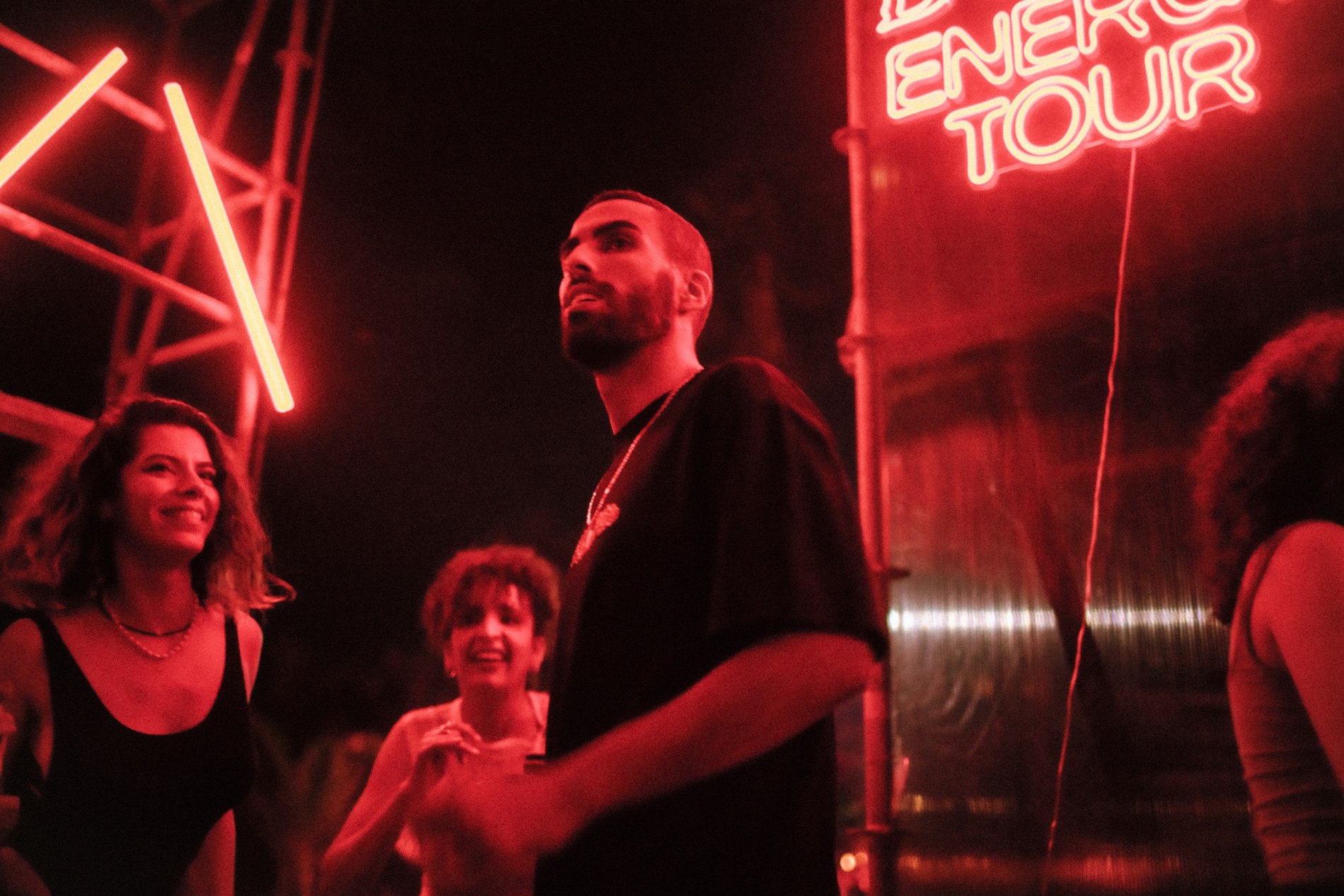
We were the first to arrive at the party and had the opportunity to see the crew at work, finishing the last details and getting ready to welcome the guests. Leaving aside the nice landscape, the stage and the speakers, the thing that shone the most was the sense of friendship and togetherness. It was not only the ECHO7000 crew, but also their friends who were on the site and helping with all kinds of tasks. It was a nice feeling to observe the sense of community that knows no borders and transcends continents.
Everything ECHO7000 talks about—respect, care, looking out for each other—was visible before the music even started. Someone helped pull cable, someone else brought water without being asked, and a group gathered to solve a problem together. It was not just community as an idea, but as something people actually did.
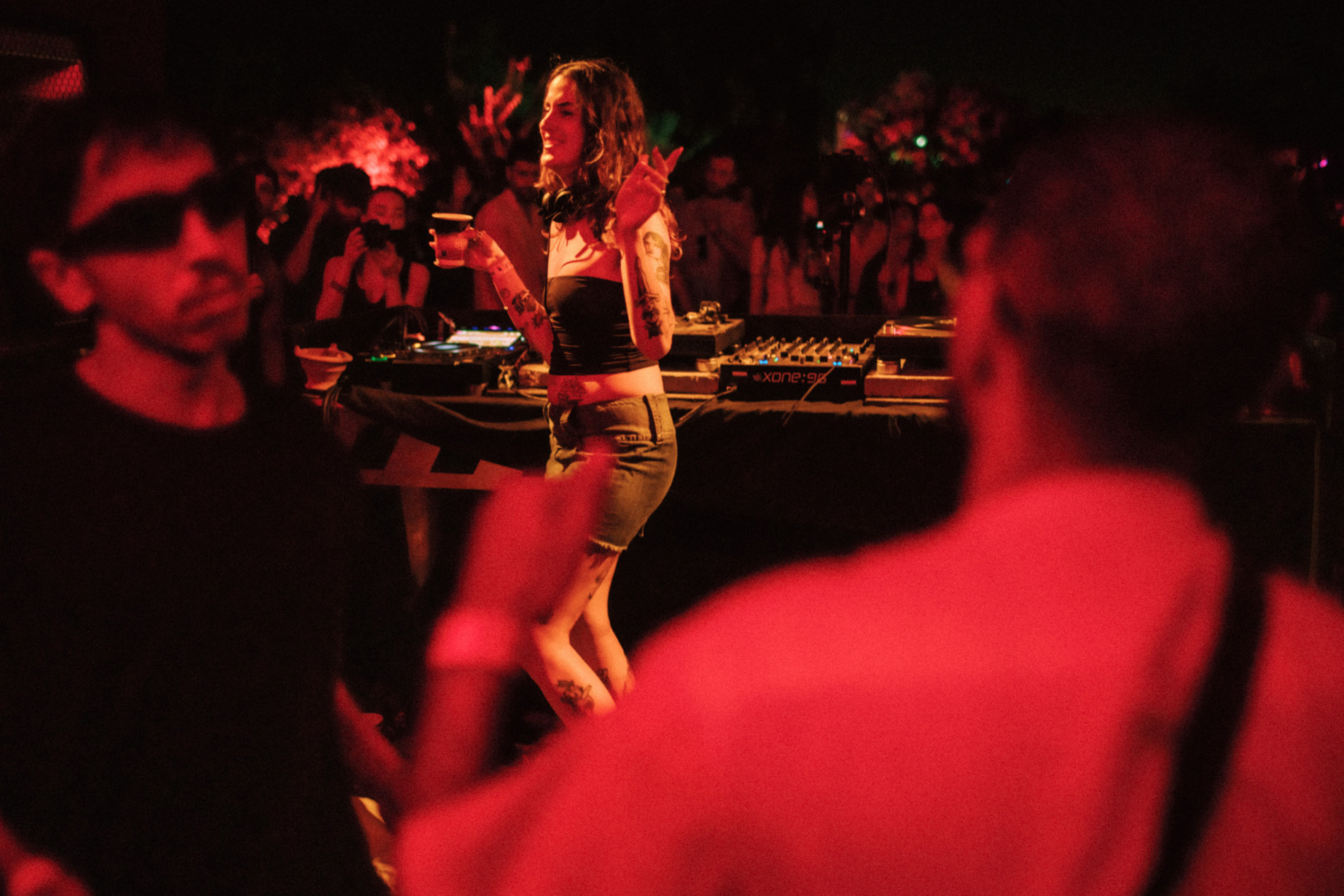
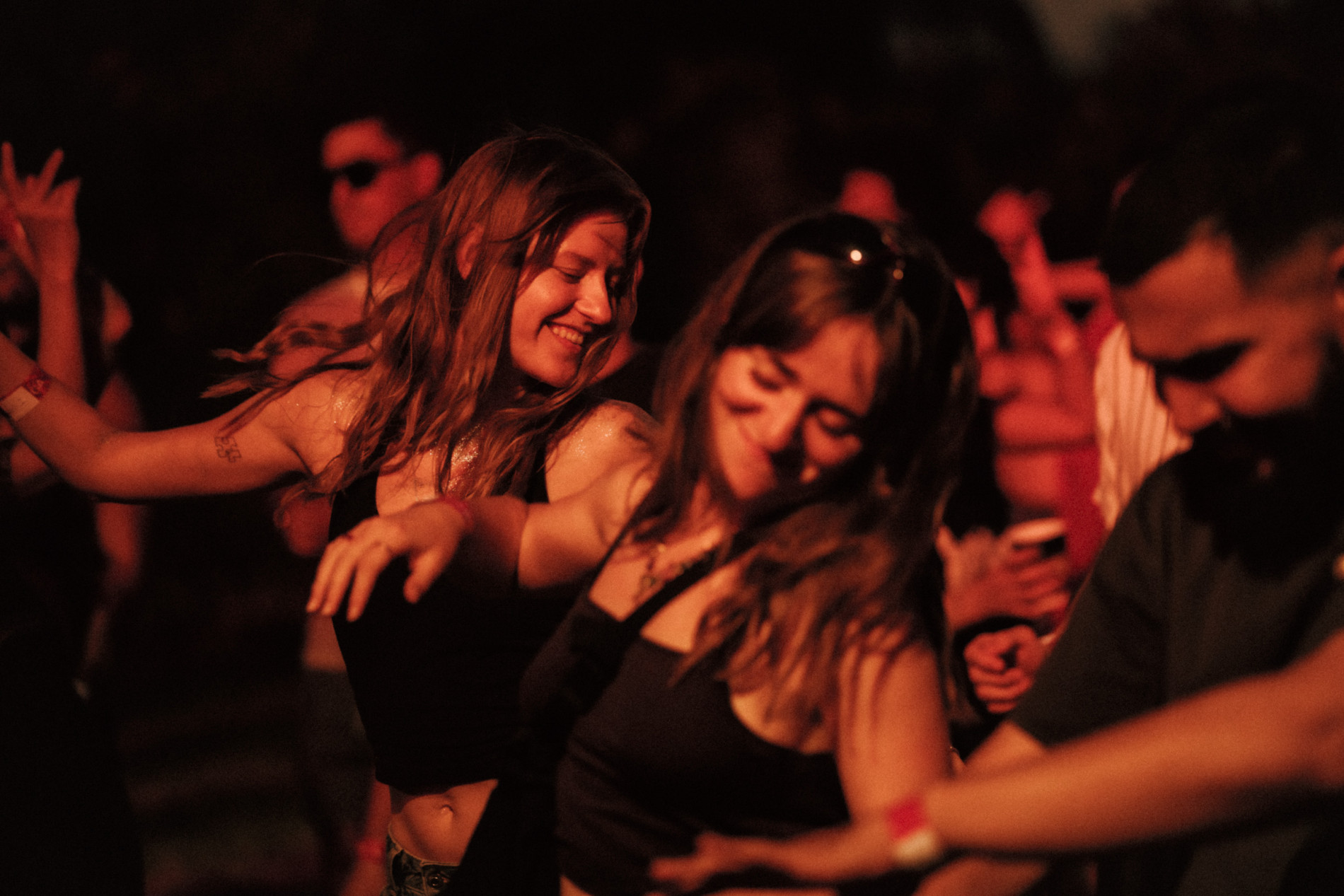
As people arrived and moved freely under the open sky, everyone could find their own way to connect with the music and pick the best spot to hear the bass. There was a special energy in the small crowd, all choosing to be there together for reasons that are hard to explain to anyone who was not present. This is what the Moroccan scene is working toward: not copying another place, but creating a feeling that belongs here, in this city, with these people.
At its core, electronic music has always been about freedom—the freedom to be in a space outside normal social rules, to move without being watched, and to belong without needing status. This spirit was there at the first acid house parties in Chicago’s South Side, in the English countryside in 1988, and in every underground scene since. It moves and adapts. On a warm June night in Marrakesh, with Shanti Celeste playing under the sky and Moroccan promoters holding the space they created, that feeling was here too.
What Comes Next
ECHO7000 already has their next dates set. ECHO7000 already has their next dates set. Their Malice at the Villa series returns to Marrakesh this autumn: September 5th with So-fi and Moaad BKR, then November 7th, and a special event for their second anniversary in 2027. They are working to bring new artists to Morocco and to build exchanges with international collectives, so their own residents can perform abroad as well—not just bringing in talent, but sharing it.
There is also a bigger goal. “The long-term vision is building our own ECHO7000 festival in Morocco,” they say. “We’ll keep growing organically until the time is right.” That kind of patience only comes from trusting what you are building. After all the hours, the financial challenges, and the quieter nights, they have earned that trust in themselves.